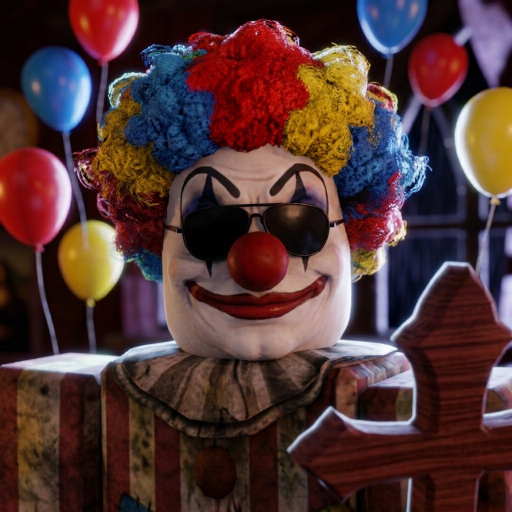
Survive the night
The official description states it directly: "Decide who to trust and survive the night." Every trust decision you make correctly is progress toward this outcome — it is the goal the game itself names.
A Night In Derry's premise sets up a clean outcome structure: reach morning by trusting the right visitors, or lose the night to one you shouldn't have. What the game has is two documented outcome states and zero badges; what it has is no recorded named-ending system. This page shows the evidence for both halves, and exactly how a future ending will announce itself.
The official description states it directly: "Decide who to trust and survive the night." Every trust decision you make correctly is progress toward this outcome — it is the goal the game itself names.
"Not everyone is who they claim to be" is the premise's warning side: admit an impostor and the night turns on you. This is the standard fail state of the anomaly-door genre, and this game's description builds it into the core line.
Roblox's badge API lists no badges for this experience (October 3, 2026). Badges are how Roblox games permanently record achievements like surviving — an empty list is a concrete, checkable fact about the game's current outcome system.
Three independent checks, each dated, establish what the outcome system looks like today.
That is the whole documented picture — and it is a normal picture for a game that released on August 4, 2026 and patches every weekend. Named endings, if the creator builds them, will arrive loudly.
A young Roblox game adds outcome systems in visible, checkable ways.
This page rechecks after each weekend update; the update timeline records what each check found.
You do not need an ending chart to play well — the game told you the goal.
No ending count is published anywhere as of October 3, 2026: the game description documents the survive-the-night goal, the Roblox badge API returns zero badges, and no community source has documented named endings. The two outcome states the premise itself establishes — surviving the night, or trusting the wrong visitor — are the only officially grounded outcomes to play toward.
In every sense that matters to a player: it is the documented win condition ("decide who to trust and survive the night"). Whether the game labels it with a named ending screen is exactly what no public source records — the game shows you the outcome when you reach it, and this wiki documents named outcomes only when a source can confirm them.
The premise implies the stakes directly: survival is set against the trust decision, so an admitted impostor costs you the night — the standard fail state of the anomaly-door genre. How each specific failure plays out (and whether the game distinguishes failure types) is run-specific detail the game teaches through play.
Three ways, all checkable: a badge appearing in the game's badge tab (Roblox records badges permanently — currently the list is empty); a creator announcement in the game description or the Fedora's CCU group wall; or a dated community walkthrough showing the trigger and the named result. This page refreshes after each weekend update.