Sponsored link
A Night In Derry Wiki game iconA Night In Derry Wiki
Wiki topic

Visitors & Anomalies

The visitors are the game. They arrive at your door through the night, some are exactly who they claim to be, and some are not — your one job is deciding whom to trust. This page lays out what the official game documents about that system, what the genre context adds, and how to make each door decision on evidence (October 3, 2026).

Documented premise

What the game itself establishes

Direct from the official description — the foundation every other claim on this page has to fit.

Source: official Roblox game page, checked October 3, 2026.

Genre context

How the anomaly-door genre frames every arrival

Editorial framing from the game's own tags (Anomalies, Home Alone) and premise — useful for knowing what to expect at the door, distinct from documented in-game mechanics.

What you experienceWhat the genre teachesWhat this game documents
A visitor arrives with a claimIn anomaly-door games the claim (a face, a name, a reason to enter) is the puzzle input you inspect before deciding.The official description states the premise directly: visitors arrive and "not everyone is who they claim to be."
A wrong trust decision has a costAdmitting a hostile visitor ends the night early; the tension comes from decisions where the safe answer is genuinely unclear.The official description asks you to "decide who to trust and survive the night," which sets survival against the trust decision.
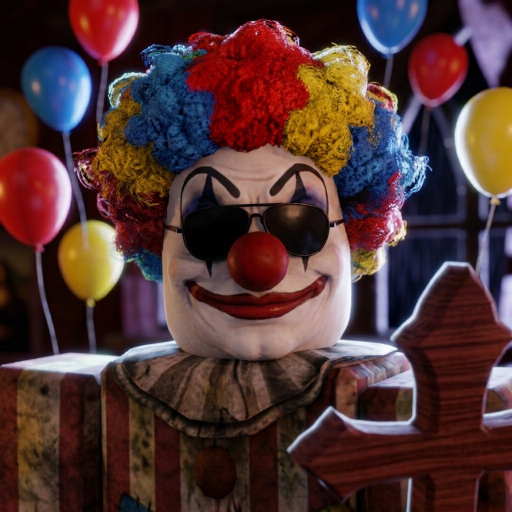
A named threat raises the stakesThe genre's signature move is a persistent antagonist (the doppelganger, the anomaly) that the player feels watching the whole run.The official title and description name the Clown: "The Clown is always watching." Official media shows the clown figure at the door.

This is genre context so a new player knows what to expect at the door. It comes from the game's tags and premise, from general knowledge of the genre, and not from an in-game tutorial — the game itself explains its rules through play, and nothing on this page should be read as a visitor-by-visitor rule sheet.

Playing the door

A decision process that survives updates

The documented premise is stable; the visitor details beneath it are exactly what weekend patches can shuffle.

  1. 1. Read the whole prompt before touching the door — claims, appearance, and behavior are the puzzle inputs the game gives you.
  2. 2. Separate what you see from what a clip or comment told you to expect. The prompt is evidence; a thumbnail is not.
  3. 3. Verify outside rules with the Door Decision Checklist — four gates, five results, three next actions.
  4. 4. Expect the Clown as a persistent pressure — the premise says it is always watching, so treat it as part of the night's design rather than a random scare.
Reading visitor claims

Three labels this wiki uses

Every visitor claim you will meet online fits one of these — including the ones on this site.

  • Documented: traceable to the official game page, description, media, or a Roblox API record — like everything in the premise section above.
  • Player-reported: a real claim from a clip, comment, or guide that shows its run — credible input, but version-specific, so check its date against the latest update.
  • Unsupported: a rule with no shown run, wrong game, or invented roster. This site leaves those off the page entirely rather than repeating them.

The update timeline gives you the date to compare player reports against — the game patches every weekend.

Who are the visitors in A Night In Derry?

The official description establishes the role — unexpected visitors arrive at your parents' house door, and "not everyone is who they claim to be" — but the game names no visitor roster in any public source as of October 3, 2026. Official media shows visitors at the door, including the clown figure. A named roster would be a community or creator addition, and this page will document it with a source the day one exists.

How do I decide whom to trust?

From what the live prompt shows you. The documented premise makes trust the core decision, and the game explains its own cues through play. The strongest habit new players can build is reading the whole prompt before acting and treating any outside rule ("never trust X", "always open for Y") as a claim to verify — the Door Decision Checklist exists to run exactly that verification.

Is the Clown an anomaly?

The official title says so directly: the game is subtitled Clown Anomaly, the description says "The Clown is always watching," and official media depicts the clown figure. That makes the Clown the game's one named, creator-confirmed threat — everything else about individual visitors comes from the premise's "not everyone is who they claim to be."

Does a wrong trust decision end the night?

The premise sets survive-the-night against the trust decision, which is the genre's standard stakes: admitting a hostile visitor costs you the run. What no public source documents is the per-visitor outcome table — which specific cues mark which specific visitor — so this page treats those claims as player reports, verifiable only against the live game.

Back to wikiDoor checklistHow to playClown guideEndingsWhat we checked